
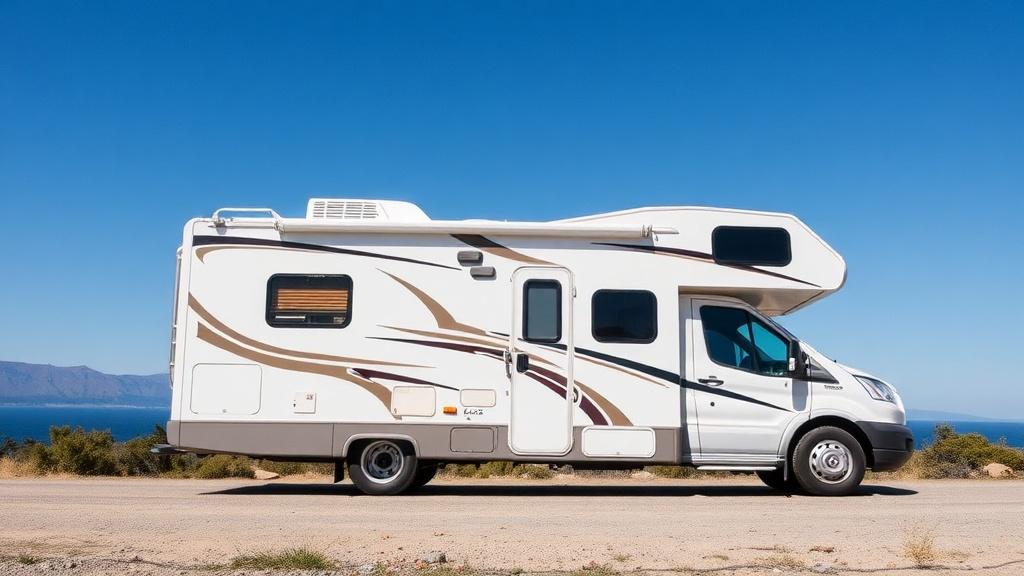

There’s a special kind of freedom that comes with a motorhome: the ability to fold your house into a vehicle and set off whenever a mood, a map, or a weather pattern calls. Whether you’re imagining weekend escapes, a retirement of slow travel, or a full-time life on the road, this guide gathers practical information, lived-in advice, and decision-making tools so you can approach motorhome ownership with curiosity and confidence. Read on and you’ll get a clear sense of the types, the systems, the budgets, and the everyday choices that make motorhome life workable, pleasant, and safe.
This article doesn’t pretend to be the only voice you’ll need; instead, it brings together the essentials you’ll wish someone had told you before your first purchase, and a handful of specifics you’ll use every season. Consider it part practical manual, part travel manifesto. I’ll walk through vehicle classes, living systems, maintenance priorities, buying checklists, and trip-planning strategies, and I’ll sprinkle in the tips that separate clever owners from the exhausted ones. Let’s get started.
What Is a Motorhome? Types and How to Choose One
“Motorhome” covers a range of vehicles that combine transport with living space. They differ by size, layout, chassis, and intended use. Choosing the right one is a mix of honest self-assessment and practical constraints: How many people? How often will you drive long distances? Will you live in it full time or use it for weekends? Your answers narrow the choices quickly.
Below is a simple breakdown of the main motorhome classes to help you visualize options.
Classes at a Glance
| Class | Typical Size | Best For | Main Advantages | Main Drawbacks |
|---|---|---|---|---|
| Class A (coach) | Large — 8–13 m (26–43 ft) | Full-time living, long trips, lots of storage | Spacious interior, large tanks, residential feel | Fuel use, high running costs, limited maneuverability |
| Class C | Medium — 6–9 m (20–30 ft) | Families, mixed travel and living | Good balance of size and drivability, over-cab beds | Less fuel-efficient than small vans, larger than a car |
| Class B (campervan) | Small — 5–6.5 m (16–22 ft) | Solo or couples, urban-friendly, minimalists | Fuel-efficient, easy to park, low profile | Limited living space and storage |
| Conversions / DIY | Varies | People who want a custom build | Tailored layout, potential cost savings | Time-consuming, complex legal and safety checks |
How to Pick the Right Class
Start with honest answers: how many will sleep comfortably, how often will you tow or carry bikes, and what kind of roads do you plan to drive? If you love mountain passes and skinny European lanes, a compact campervan or a Class B wins. If you crave a residential kitchen and separate bedroom, a larger Class A or C is more appropriate. Don’t choose on aesthetics alone; sit in the cab, imagine every meal and every night—you’ll quickly see whether the space works for you.
Layout and Living: Rooms, Storage, and Ergonomics
Lay out matters more in a small space than in a house. Clever storage, sight lines, and a logical flow from kitchen to bed can make a tiny interior feel roomy. Think like an architect for small spaces: sight line, storage depth, and multifunction spaces.
Common Layouts and Their Strengths
- Rear lounge / living area: Good for groups and relaxing evenings; often converts to a large bed.
- Fixed rear bed: Quick to use, great for regular sleepers; but reduces daytime living space.
- Overcab bed (Class C): Uses vertical space efficiently, good for children or guests.
- Dinette conversions: Multi-purpose seating that turns into a bed; practical but often narrower mattresses.
- Midship bathroom vs. rear bathroom: Central bathrooms shorten plumbing runs; rear bathrooms make the living area uninterrupted.
Storage Strategy
Storage is not just volume; it’s organization. Use deep kitchen drawers with dividers, overhead lockers with retaining netting, and external compartments sized for bikes, gas cylinders, and foldable chairs. Plan for seasonal clothing by rotating items between easy-access and deep storage. Label bins and use clear containers so you don’t spend twenty minutes emptying cupboards every time you need a charger or toolkit.
Systems That Keep You Comfortable: Power, Water, Heating, and Waste
The mechanical heart of a motorhome is a suite of living systems that work together: the 12V/house battery system, charging sources (alternator, solar, shore power, generator), fresh and waste water, heating and hot water, and the fridge. Understanding how these systems interplay is crucial to avoid cold nights, dead batteries, and other avoidable pitfalls.
Power — Batteries, Solar, and Shore
Most modern motorhomes use a 12V house battery or battery bank to power lights, pumps, and electronics. Battery types and capacities vary wildly, so choose based on expected usage.
- Lead-acid (AGM/flooded): Cheaper, heavier, lower usable capacity (about 50% recommended depth of discharge).
- Lithium (LiFePO4): More expensive up front, much lighter, deeper usable capacity (80–90%), longer cycle life, and faster charging.
- Capacity: Measured in ampere-hours (Ah). A typical weekend setup might be 100–300 Ah; serious off-grid setups can be 400–800 Ah.
Solar panels (100–400 W or more) paired with an MPPT charge controller reduce reliance on shore power. Combine solar with a smart battery management system and you’ll often run for days off-grid. Shore power and a quality inverter supply AC power for appliances when connected to campsite electricity. Small onboard generators provide backup but add noise and maintenance.
Water — Tanks, Pumps, and Filtration
Fresh water tanks in motorhomes generally range from 40–200 liters (10–50 gallons). Greywater (sink/shower) and blackwater (toilet) tanks are often smaller but vehicle-dependent. Key points:
- Use quality hoses and winterize tanks if temperatures drop below freezing.
- Inline filters improve taste and protect pumps from sediment.
- Electric pressure pumps deliver steady flow but draw power; hand pumps are simple backups.
Empty waste tanks at designated disposal points. To avoid odors and buildup, rinse tanks with clean water and use appropriate enzymes or cleaning products designed for holding tanks.
Heating, Hot Water, and Refrigeration
Heating options include diesel or gas-fired blown-air heaters (common brands like Truma and Webasto), and electric heaters on shore power. Diesel heaters are efficient and use little battery power once running; they’re popular for their reliability and low fuel draw. Hot water can be provided by the same unit or a separate boiler.
Refrigeration comes in two main forms: absorption and compressor. Absorption fridges can run on gas, 12V, or 230V and are quiet but less efficient in high heat or while stationary without good ventilation. Compressor fridges (like household-style ones) are more efficient and perform better in hot weather, especially when paired with inverter or shore power.
Driving, Licensing, and Road Practicalities
Driving a motorhome requires some adjustments from driving a car: different braking distances, wind sensitivity, and turning radii. Practice in a safe area before hitting mountain passes or narrow roads. Learn the vehicle’s blind spots and understand how weight distribution affects handling.
Licensing and Legal Considerations
License requirements vary by country and by the vehicle’s gross vehicle weight rating (GVWR). In many places, standard car licenses allow you to drive motorhomes up to 3.5 tonnes (7,700 lbs) GVWR, but heavier rigs require higher-class licenses. Check local rules for towing and combined weight limits. Registration, periodic inspections, and emissions testing also differ by region—keep documents up to date to avoid fines.
Safety and Driving Tips
- Practice reversing and use a spotter for tight maneuvers; consider rear-view cameras.
- Watch tire pressures and wheel lug nuts—inspections before long trips matter.
- Learn to unload and repack cargo for balanced weight distribution; overloading the rear can cause sway.
- Use stabilizers or leveling jacks when parked on uneven ground to avoid rocking and to ensure doors and slides operate properly.
Maintenance: What to Inspect and How Often
Proper maintenance reduces breakdowns and preserves resale value. Think of maintenance in three tiers: engine/chassis, habitation systems, and seasonal jobs.
Engine and Chassis Maintenance
Follow manufacturer service intervals for oil, filters, belts, and coolant. Regularly inspect brakes, tires, suspension bushes, and wheel bearings. Diesel engines benefit from periodic fuel filter changes and, if rarely used, occasional long drives to prevent fuel gelling or condensation issues in tanks. Keep a maintenance log—dates, parts replaced, and next due service.
Habitation System Checks
- Inspect roof seals and window seals annually; leaks cause the worst damage.
- Service gas lines and appliances periodically and have a certified technician inspect LPG systems.
- Test smoke and CO detectors monthly and replace batteries as needed.
- Flush and sanitize the fresh water system at least yearly, or more often if you install a filtration unit.
Seasonal Tasks
Before winter, drain water systems or use antifreeze to avoid burst pipes. In spring, inspect for freeze damage and replace degraded hoses. Clean solar panels and check for tree sap or bird droppings that reduce output. Keep an eye on upholstery and soft furnishings; dampness breeds mold, which spreads quickly in confined spaces.
Buying New vs. Used: Financials, Depreciation, and Common Pitfalls
Deciding between new and used depends on budget, patience, and technical confidence. New vehicles offer warranties and the latest systems but come at a premium. Used motorhomes can be bargains, but they require a careful inspection and sometimes immediate expenditure on updates or repairs.
Costs to Expect
| Expense | Typical Range (annual) | Notes |
|---|---|---|
| Fuel | $1,200–$6,000+ | Depends on mileage and size/class |
| Insurance | $300–$2,000+ | Varies with value, driving record, location, usage |
| Maintenance & Repairs | $500–$3,000+ | Engine vs. habitation costs differ |
| Site Fees / Campsites | $300–$2,400+ | Seasonality and location matter |
| Depreciation | 10–30% first year, then slower | Brand and build quality influence resale |
These numbers are approximate and depend on your region and how much you travel. A practical approach is to total expected fixed costs (insurance, loan, storage) and variable costs (fuel, campsites) and add a buffer for repairs.
Buying Checklist for Used Motorhomes
- Service history and receipts—verify scheduled maintenance.
- Check for water ingress: soft floors, discolored cabinetry, musty odors.
- Examine roof and seals for cracks, bubbles, and previous repairs.
- Test all appliances: fridge, heater, boiler, pumps, and stove.
- Run the engine and listen for unusual noises; check for smoke on idle and acceleration.
- Inspect tires for age and wear—rubber degrades even if tread remains.
- Get a professional habitation survey if you can—these find hidden faults.
Conversion and Customization: DIY or Professional?
Converting a van into a motorhome is a creative, satisfying undertaking, but it’s not just carpentry. Electrical systems, gas installations, and vehicle modifications have legal and safety implications. Consider an incremental approach: learn basic skills, start small, and hire specialists for gas and structural changes.
Essentials for a Successful Conversion
- Insulation and vapor barrier—condensation control is the single most important factor for long-term comfort.
- Electrical plan—wire gauge, a central fuse / breaker panel, and an accessible battery compartment.
- Weight calculations—insulate, mount, and pack with the vehicle’s payload limits in mind.
- Secure mounting for heavy items such as water tanks and bikes.
Many builders document their work online; use those resources, but always follow local regulations and have critical systems inspected by certified technicians before use.
Practical Gear, Accessories, and Comfort Upgrades
Small upgrades often deliver outsized benefits. Think in terms of convenience, efficiency, and safety.
High-Value Additions
- Solar panels with MPPT controller for reliable off-grid power.
- Lithium house batteries for prolonged off-grid stays and rapid charge acceptance.
- Awning or lightweight canopy to expand living space outdoors.
- Electric step and backup camera for ease and visibility.
- Portable induction cooktop for safer, efficient cooking when shore power is available.
Comfort touches—memory foam mattress toppers, blackout blinds, and LED task lighting—make a big difference in quality of life without massive expense.
Environmental Considerations and Sustainable Practices
Motorhome travel doesn’t have to be environmentally careless. You can reduce impact by choosing efficient vehicles, minimizing idling, and using solar power. Respect for local ecosystems—using marked campsites, packing out waste, and following fire safety rules—keeps beautiful places accessible for everyone.
Low-Impact Habits
- Use biodegradable soaps and cleaners sparingly.
- Rely on solar and efficient heating to reduce fuel use.
- Plan routes to minimize backtracking and long detours.
- Shop local for supplies and use refill systems for water and gas where possible.
Camping, Etiquette, and Community
The motorhome community is diverse and generous, with forums, clubs, and regional meetups. Etiquette matters: keep noise levels low, respect private property and campsite rules, and arrive with enough knowledge to manage hookups and waste disposal without help.
How to Find Good Campsites
Research and local knowledge matter. Apps and websites list amenities, ground type, and reviews. For first-timers, choose sites with clear boundaries and accessible facilities so you can learn the tricks—power hookup, water fill, and grey/black tank emptying—without stress. Wild camping appeals to many, but learn regulations for the area and follow Leave No Trace principles.
Resale Value and Long-Term Ownership
Some brands and models hold value better due to build quality, service networks, and reputation. Keep records, stay on top of maintenance, and avoid interior odors and stain damage—these are simple ways to protect resale value. Upfront investments like solar and good batteries often increase desirability for buyers looking to go off-grid.
When to Sell
Consider selling when maintenance costs start to escalate relative to vehicle value, when your travel needs change, or when a lifestyle shift (family size, health, finances) makes a different setup more appropriate. Selling privately often nets a better price than trade-in, but it takes time and effort.
Planning Your First Trips: Routes, Packing, and Routines
Start local and short. Get comfortable with everyday tasks—filling water, emptying tanks, leveling, and setting up—before committing to cross-country adventures. Build routines: a morning checklist that includes opening vents, checking water and battery, and a parking setup process and a shutdown checklist for the evening.
Packing Smart
- Pack by use frequency: daily items within arm’s reach, seasonal items stored deep.
- Use soft luggage and collapsible containers to save space and reduce weight.
- Secure items for travel; loose objects become dangerous projectiles in stops.
Resources: Where to Learn More and Get Help
Join online forums, local clubs, and brand owner groups. Read owner manuals and manufacturer guidance for systems unique to your vehicle. Attend shows where you can see multiple layouts and talk to builders. Use professional inspectors for used purchases and certified technicians for gas and structural work.
Useful Starting Points
- Manufacturer websites and owner manuals
- Dedicated motorhome forums and regional clubs
- Local certified RV service centers and habitation inspectors
- Books and seasonal guides specific to your country or region
Conclusion
Owning a motorhome is an invitation to reframe how you travel and live: less fixed planning, more adaptability, and a daily blend of small routines and discovery. The right vehicle for you balances size, systems, cost, and comfort; the smart owner plans for maintenance, respects weight limits, learns the essentials of water, power, and heating systems, and treats the environment and fellow travelers with care. Start small, learn deliberately, and build your setup over time—invest in safety, insulation, and power first, and the rest will follow. The road rewards patience and preparation, and with thoughtful choices, a motorhome can be a dependable home-on-wheels for weekend getaways or a lifetime of wanderings.